Water is one of the most essential parts of a healthy lifestyle. Every cell, tissue, and organ in the human body depends on water to function properly. It helps regulate body temperature, transport nutrients, support digestion, maintain energy levels, and remove waste from the body.
Despite knowing the importance of hydration, many people still wonder how to drink enough water daily and struggle to build consistent hydration habits. Busy schedules, lack of reminders, and simply forgetting to drink are some of the most common reasons people fail to consume enough fluids throughout the day.
The good news is that developing a regular water-drinking habit does not require major lifestyle changes. Small adjustments, such as carrying a reusable water bottle, setting reminders, drinking water with meals, and building hydration into your daily routine, can make it much easier to meet your body’s fluid needs.
In this guide, you’ll discover how to drink enough water daily with five practical, easy-to-follow tips that can help you stay hydrated, boost your energy, improve digestion, and support your overall health.
Why Drinking Enough Water Is Important
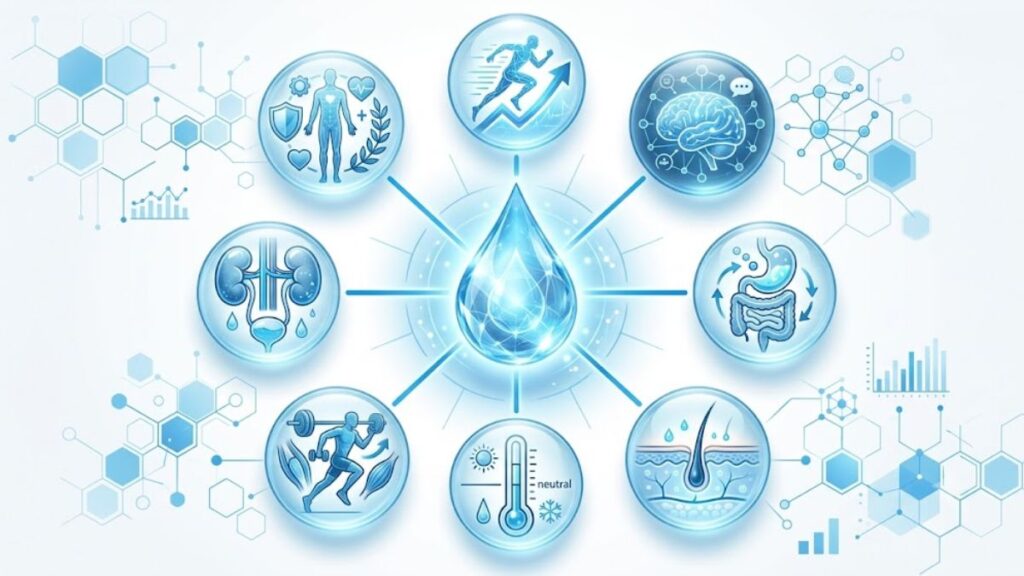
Water is one of the most essential nutrients required by the human body. Every cell, tissue, and organ depends on water to perform daily functions properly. Since the body continuously loses water through sweating, breathing, urination, digestion, and normal daily activities, replacing those fluids regularly is necessary to maintain good health.
Proper hydration supports many important processes, including transporting nutrients, maintaining blood circulation, regulating body temperature, supporting brain function, and removing waste from the body. When the body does not receive enough water, even mild dehydration can affect how you feel and perform throughout the day.
Developing a habit of drinking enough water can improve overall well-being and help the body function more efficiently.
Supports Energy and Reduces Fatigue
Feeling tired or lacking energy is often associated with poor sleep or a busy schedule, but dehydration can also be a major reason behind low energy levels. Even a small reduction in the body’s water levels can affect normal body functions and make daily tasks feel more difficult.
Water helps maintain proper blood flow, allowing oxygen and nutrients to reach different parts of the body efficiently. When you stay hydrated, your body can work more effectively, helping you feel more alert and active.
Many people confuse thirst with hunger or tiredness. Instead of drinking water, they may reach for coffee, sugary drinks, or snacks for a quick energy boost. However, the body may simply be asking for hydration.
Maintaining regular water intake throughout the day can help:
- Improve focus and concentration
- Reduce feelings of tiredness
- Support better mental alertness
- Maintain normal energy levels during daily activities
A simple habit like drinking a glass of water during work breaks can help prevent dehydration-related fatigue.
Helps Maintain Healthy Digestion
Water plays an important role in keeping the digestive system healthy. It helps break down food, supports the movement of nutrients through the digestive tract, and allows the body to absorb essential nutrients more efficiently.
When the body does not receive enough fluids, digestion may slow down. This can lead to discomfort and problems such as constipation.
Adequate hydration helps maintain softer stools and supports regular bowel movements. Along with a balanced diet rich in fiber, drinking enough water can contribute to a healthier digestive system.
Good hydration can support:
- Smoother digestion after meals
- Better nutrient absorption
- Regular bowel movements
- Reduced digestive discomfort
Drinking water regularly throughout the day is often more effective than consuming a large amount only when digestive problems appear.
Regulates Body Temperature
One of the body’s most important functions is maintaining a stable internal temperature, and water plays a major role in this process.
When the body becomes warm, especially during exercise, outdoor activities, or hot weather, it releases sweat to cool itself. Since sweating causes water loss, replacing fluids becomes important to prevent dehydration.
Staying hydrated is especially necessary when:
- Exercising or playing sports
- Working outdoors
- Spending time in hot climates
- Experiencing excessive sweating
- Traveling in warm conditions
Without enough water, the body may struggle to regulate temperature effectively, which can affect comfort, energy, and physical performance.
Drinking water before, during, and after activities helps the body maintain its natural cooling system.
Supports Skin Health
Hydration contributes to healthy skin by supporting the body’s natural balance and overall functioning. Since skin is the body’s largest organ, it depends on adequate hydration along with proper nutrition and care.
When the body is dehydrated, skin may appear dry or feel less comfortable. Drinking enough water supports normal circulation and helps deliver nutrients that contribute to healthy skin function.
While water alone cannot replace skincare products or solve every skin concern, maintaining good hydration can support:
- Healthy skin appearance
- Better overall body balance
- Normal skin moisture levels
- Improved general wellness
Combining proper hydration with a balanced diet and healthy lifestyle habits can support better skin health over time.
Improves Physical Performance and Recovery
During physical activity, the body loses water through sweat. Even mild dehydration can affect endurance, strength, and overall exercise performance.
Water helps maintain blood circulation and supports the delivery of oxygen and nutrients to working muscles. Staying hydrated allows the body to perform physical activities more efficiently.
Proper hydration can help with:
- Maintaining stamina during exercise
- Supporting muscle function
- Reducing the impact of fluid loss
- Improving recovery after physical activity
Athletes, fitness enthusiasts, and people with physically demanding jobs should pay special attention to their water intake because their fluid requirements may be higher.
Drinking enough water before and after exercise helps the body recover and prepare for future activities.
Supports Brain Function and Concentration
The brain depends heavily on water to function properly. When the body becomes dehydrated, concentration, mood, and mental performance can be affected.
A lack of fluids may make it harder to focus on tasks, remember information, or stay mentally active.
Regular hydration can support:
- Better concentration
- Improved mental clarity
- Stable mood
- Better productivity during work or study
Keeping water nearby while working or studying is a simple way to encourage regular hydration and maintain better focus throughout the day.
How Much Water Should You Drink Daily?
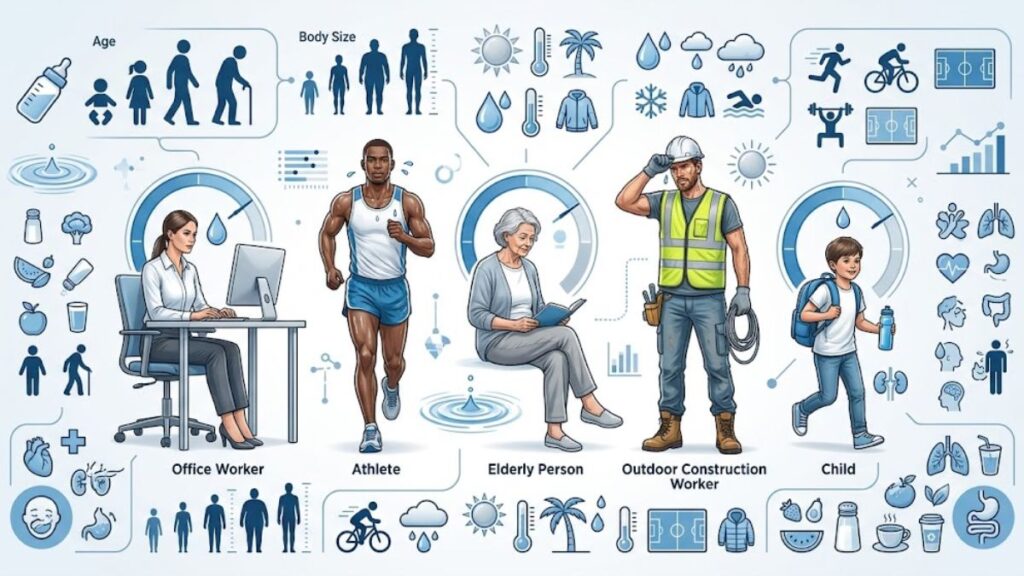
There is no universal amount of water that works perfectly for everyone. The amount of water a person needs each day depends on individual factors such as lifestyle, environment, activity level, and overall health.
Water requirements can vary significantly between people. Someone who works outdoors in hot weather, exercises regularly, or sweats heavily may need more fluids compared to someone who spends most of the day indoors with a less active routine.
The important thing is not to focus only on a fixed number but to develop a consistent hydration habit and pay attention to your body’s signals.
Factors That Affect Daily Water Needs
Several factors influence how much water your body requires throughout the day.
Age
Water needs can change at different stages of life. Children, adults, and older adults may have different hydration requirements depending on their body’s ability to maintain fluid balance.
Older adults may need to pay extra attention to hydration because the feeling of thirst can sometimes become less noticeable with age.
Body Size
People with larger body sizes generally require more water because their bodies contain more cells and tissues that depend on proper hydration.
A smaller person may need less water compared to someone with a larger body size and higher fluid requirements.
Activity Level
Physical activity increases water loss through sweat and breathing. People who exercise, play sports, or perform physically demanding work often need additional fluids to replace what the body loses.
Drinking water before, during, and after physical activity helps maintain hydration and supports better performance.
Weather Conditions
Climate and temperature have a major impact on water requirements.
Hot and humid environments can increase sweating, causing the body to lose more fluids. During summer months or heat waves, increasing water intake becomes especially important.
People living in colder climates may also lose water through breathing and daily activities, even if they do not feel as thirsty.
Diet
Food choices also contribute to daily hydration.
Fruits and vegetables such as watermelon, cucumber, oranges, and leafy greens contain a significant amount of water and contribute to overall fluid intake.
On the other hand, consuming large amounts of salty foods, caffeine, or processed foods may increase the body’s need for fluids.
Health Conditions
Certain health conditions, medications, or lifestyle factors may affect how much water a person needs.
People with specific health concerns should follow guidance from healthcare professionals regarding their individual hydration needs.
Listen to Your Body’s Hydration Signals
One of the simplest ways to understand your hydration needs is to pay attention to your body’s natural signals.
Thirst is the body’s way of reminding you that it needs more fluids. However, thirst is not always the first sign of dehydration, especially during busy days when people may ignore early warning signals.
Common signs that your body may need more water include:
Feeling Thirsty
A noticeable feeling of thirst is one of the most common signs that your body needs hydration.
Instead of waiting until you feel extremely thirsty, try drinking water regularly throughout the day.
Dark-Colored Urine
Urine color can provide a general indication of hydration levels.
Dark yellow urine may suggest that your body needs more fluids, while lighter-colored urine often indicates better hydration.
Dry Mouth
A dry mouth or sticky feeling in the mouth can occur when the body does not have enough fluids.
Drinking water regularly can help maintain normal moisture levels.
Headaches
Dehydration can sometimes contribute to headaches because reduced fluid levels may affect normal body functions.
If you experience frequent headaches, maintaining proper hydration may help support overall comfort.
Low Energy
Feeling unusually tired or lacking energy may sometimes be related to insufficient water intake.
Before reaching for caffeinated drinks or snacks, try drinking water and see if your energy improves.
Difficulty Concentrating
The brain depends on proper hydration to function effectively. Even mild dehydration can affect focus, attention, and mental performance.
Drinking enough water can help support better concentration during work, study, and daily activities.
Drink Water Consistently Throughout the Day
Hydration works best when water intake is spread throughout the day rather than consuming a large amount at once.
Instead of drinking several glasses only in the evening after realizing you have not had enough water, create small habits that make hydration automatic.
Helpful habits include:
- Drinking water after waking up
- Having water with meals
- Keeping a bottle nearby
- Taking small sips during work breaks
- Drinking water before and after exercise
Consistent hydration allows the body to maintain a better fluid balance and reduces the chances of becoming dehydrated.
Remember, the goal is not just to drink more water occasionally but to build a daily routine that keeps your body properly hydrated.
How to Drink Enough Water Daily
What if one of the simplest ways to improve your energy, focus, digestion, and overall health is something you’re probably not doing enough? Learning how to drink enough water daily doesn’t require drastic changes, just a few smart habits that can make staying hydrated effortless.
1. Start Your Day With a Glass of Water

One of the easiest ways to improve hydration is to drink water soon after waking up.
During sleep, the body goes several hours without receiving fluids. Drinking a glass of water in the morning helps begin the day with hydration.
You can make this a simple habit by:
- Keeping a water bottle near your bed
- Drinking water before checking your phone
- Making it part of your morning routine
A consistent morning habit creates a strong foundation for better hydration throughout the day.
2. Carry a Water Bottle Everywhere
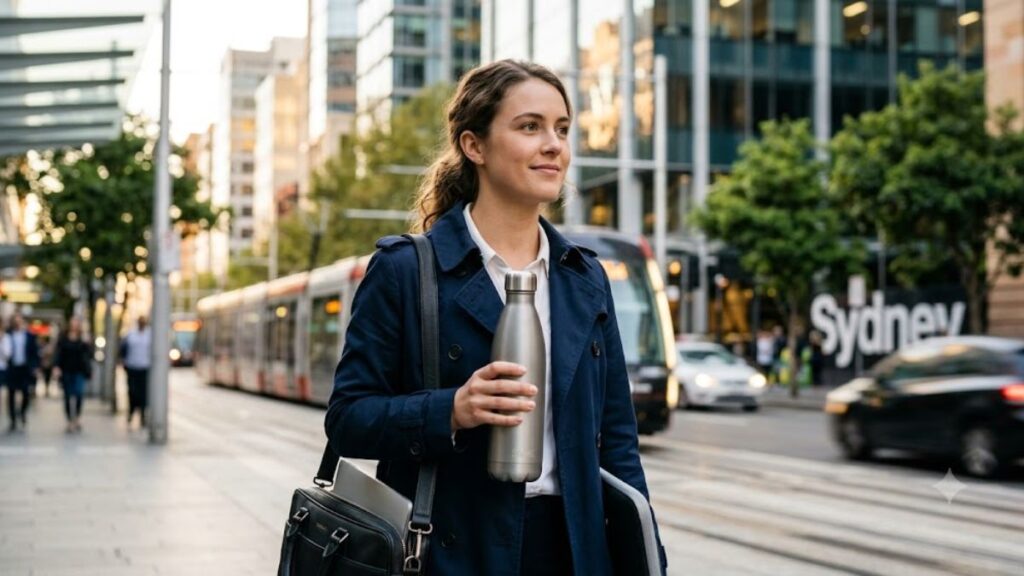
Many people do not drink enough water simply because it is not easily available.
Keeping a reusable water bottle nearby makes hydration more convenient.
You can carry it:
- To work
- During travel
- While studying
- During workouts
- When running errands
A visible water bottle acts as a reminder to take regular sips.
Choosing a bottle you enjoy using can also make the habit easier to maintain. Some people prefer lightweight bottles, while others like larger bottles that reduce the need for frequent refills.
3. Set Reminders to Drink Water
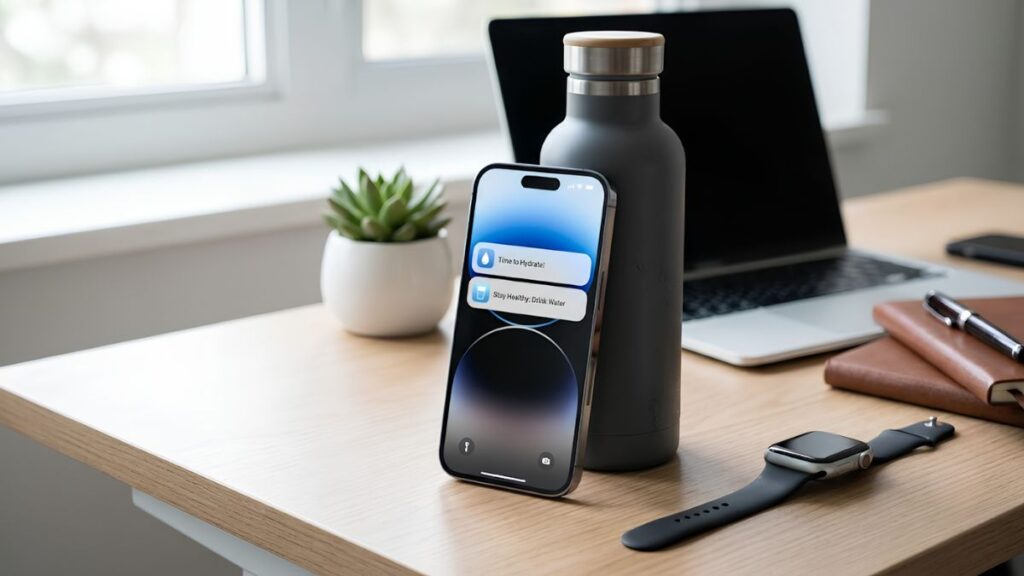
Busy schedules often cause people to forget hydration.
Setting simple reminders can help create consistency.
You can use:
- Phone alarms
- Smartwatch reminders
- Hydration tracking apps
- Calendar notifications
Instead of waiting until you feel extremely thirsty, try drinking small amounts regularly throughout the day.
For example:
- Drink water after waking up
- Drink before meals
- Drink during work breaks
- Drink after physical activity
Small, frequent habits are usually easier to maintain than forcing yourself to drink large amounts at once.
4. Connect Water Drinking With Daily Habits
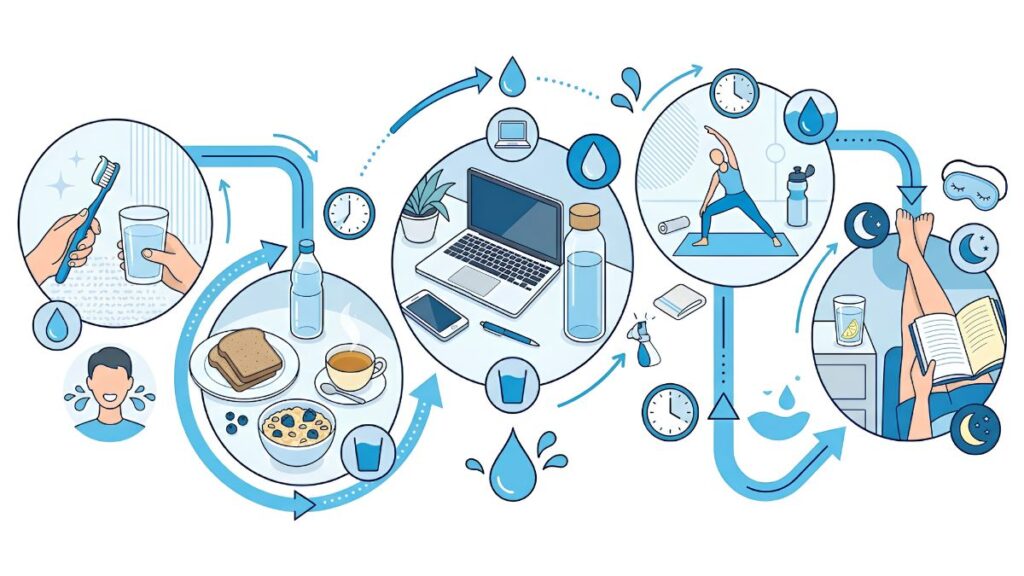
Building a habit becomes easier when you connect it with something you already do regularly.
This technique is sometimes called habit stacking.
Examples include:
- Drinking water after brushing your teeth
- Drinking water before every meal
- Drinking water after finishing a work task
- Drinking water when taking a break
When hydration becomes connected to existing routines, you are less likely to forget.
Over time, drinking water becomes automatic rather than something you need to remember.
5. Make Water More Enjoyable
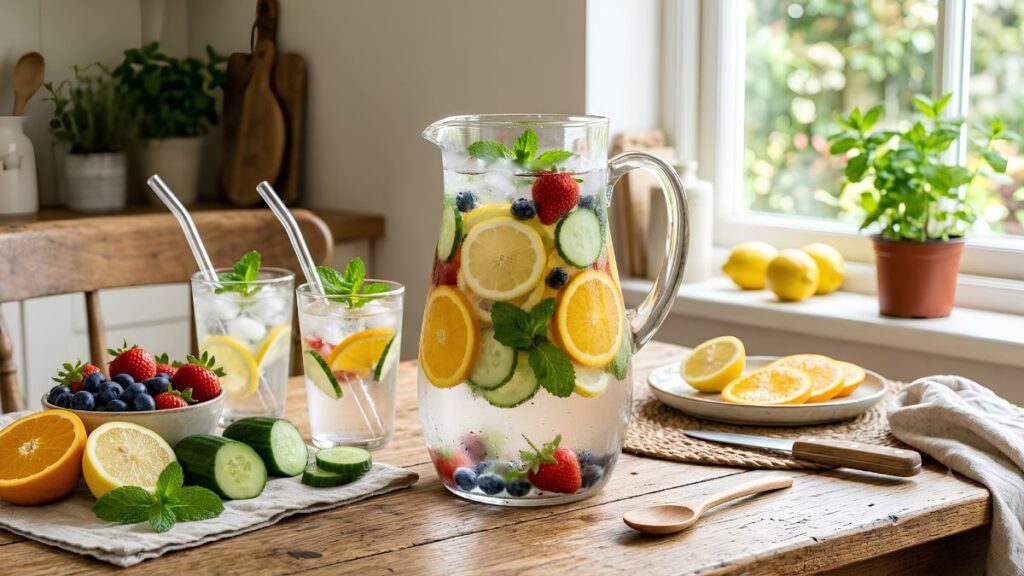
Some people struggle with drinking enough water because they find plain water boring.
You can make hydration more enjoyable by adding natural flavors.
Try:
- Lemon slices
- Mint leaves
- Cucumber slices
- Orange pieces
- Fresh berries
You can also drink water at different temperatures depending on your preference.
Some people enjoy cold water, while others prefer room-temperature water.
The goal is to make water easier and more enjoyable to drink regularly.
Common Mistakes That Reduce Water Intake
Many people understand the importance of staying hydrated, yet they still struggle to drink enough water each day. Often, the problem is not a lack of awareness but small daily habits that make hydration easy to overlook.
Recognizing these common mistakes can help you build a more consistent and effective water-drinking routine.
Waiting Until You Feel Very Thirsty
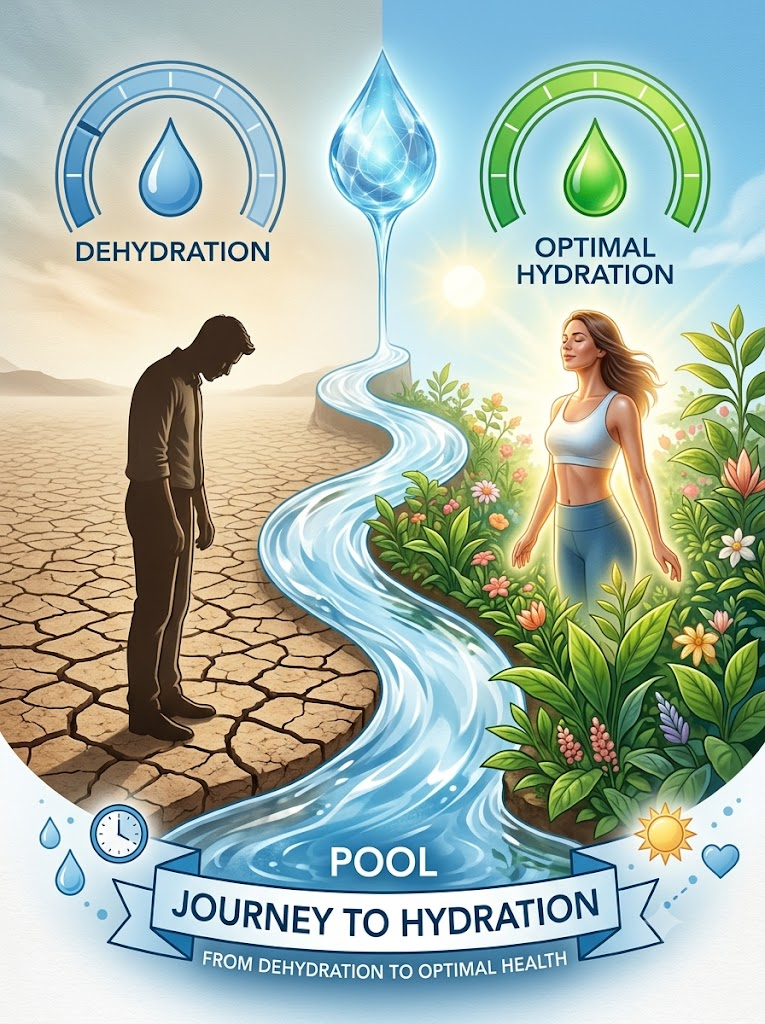
Thirst is your body’s natural signal that it needs more fluids. However, waiting until you feel very thirsty may mean your body is already beginning to experience mild dehydration.
Instead of relying only on thirst, make it a habit to drink water regularly throughout the day. Taking small sips every hour or drinking a glass of water with meals can help maintain consistent hydration.
Simple habits such as carrying a water bottle or setting reminders can make it easier to stay ahead of thirst rather than reacting to it.
Drinking Too Much Water at Once
Some people realize they have not had enough water all day and try to make up for it by drinking several glasses at once.
While staying hydrated is important, consuming large amounts of water in a short period may feel uncomfortable and is not the most effective way to maintain hydration.
Your body generally benefits more from a steady intake of fluids throughout the day. Drinking small amounts regularly helps maintain proper fluid balance and makes hydration a natural part of your daily routine.
Think of hydration as a continuous habit rather than something to catch up on at the end of the day.
Replacing Water With Sugary Drinks
Soft drinks, sweetened fruit juices, flavored beverages, and energy drinks may seem like convenient options, but many contain added sugars, calories, or caffeine that should not replace regular water intake.
Although these beverages contribute some fluids, plain water remains one of the healthiest and most effective ways to stay hydrated.
If you find plain water uninteresting, try naturally flavoring it with slices of lemon, cucumber, mint, or fresh berries instead of choosing sugary alternatives.
Making water your primary beverage can support better hydration while reducing unnecessary sugar consumption.
Forgetting to Drink Water During Busy Days
Busy schedules are one of the biggest reasons people fail to drink enough water. Meetings, work deadlines, classes, travel, and household responsibilities can make hydration easy to forget.
Many people become so focused on their tasks that they do not realize they have gone several hours without drinking any water.
You can reduce this problem by making water easy to access throughout the day.
Helpful strategies include:
- Keeping a reusable water bottle on your desk
- Carrying water while traveling
- Drinking water during work or study breaks
- Setting reminders on your phone or smartwatch
- Refilling your bottle whenever it becomes empty
The easier it is to reach for water, the more likely you are to build a consistent hydration habit.
Ignoring Water Intake During Cold Weather
Many people naturally drink less water during winter because they do not feel as thirsty as they do in hot weather. However, your body still loses fluids through breathing, daily activities, and indoor heating.
Hydration remains just as important during colder months, even if you are not sweating heavily.
Keeping a water bottle nearby and maintaining your usual hydration routine throughout the year can help prevent accidental dehydration during winter.
Not Eating Water-Rich Foods
Hydration doesn’t come only from drinking water. Many fruits and vegetables naturally contain high amounts of water and contribute to your daily fluid intake.
Foods such as watermelon, cucumber, oranges, strawberries, tomatoes, and lettuce can help support hydration while providing important vitamins and minerals.
Including these foods as part of a balanced diet can complement your daily water intake and make staying hydrated even easier.
Tips for Drinking More Water at Work

Many adults spend several hours at work, and during busy meetings, deadlines, or long periods at a desk, hydration is easy to forget. When your focus is on tasks, emails, calls, or projects, it can be hours before you realize you have not had enough water. Creating a simple workplace hydration routine can help support better focus, energy, and productivity throughout the day.
Keep a Bottle on Your Desk
One of the easiest ways to drink more water at work is to keep a reusable bottle within easy reach. When water is visible, you are more likely to sip it regularly without thinking about it.
Choose a bottle that is convenient to carry, easy to refill, and comfortable to use during long work hours. A water bottle on your desk acts as a constant reminder to stay hydrated.
Drink Water During Breaks
Short breaks are the perfect time to refill your bottle and take a few sips. Instead of using every break only to scroll on your phone or check messages, make hydration part of the routine.
Drinking water during coffee breaks, lunch breaks, or between meetings can help you stay consistently hydrated without needing major changes to your schedule.
Set Hourly Reminders
Busy workdays can make it easy to forget basic habits. Setting hourly reminders on your phone, smartwatch, or computer can help you build a steady hydration pattern.
Even a simple alert can remind you to pause, stretch, and drink a few sips of water. Over time, these small reminders can turn hydration into a natural habit instead of something you constantly forget.
Take Short Walking Breaks to Refill Your Bottle
Walking to refill your bottle is a useful habit because it combines movement with hydration. These small breaks can help you step away from your desk, stretch your body, and reset your focus.
If possible, make a habit of finishing your bottle and refilling it at regular intervals. This not only helps you drink more water but also encourages healthy movement during long work hours.
Drink Water Before Starting a New Task
Another practical habit is to drink a little water before beginning a new task, meeting, or work session. This small action creates a simple checkpoint during the day and helps you stay mindful of hydration.
You can use natural work transitions, such as starting a meeting, replying to emails, or beginning a new project, as reminders to take a sip of water.
Make Hydration Part of Your Work Routine
A healthy hydration routine can support better focus, productivity, and overall well-being during the workday. When your body is properly hydrated, it becomes easier to stay alert, think clearly, and avoid unnecessary fatigue.
Small habits matter. The more you connect drinking water with everyday work activities, the easier it becomes to stay hydrated without feeling like it is an extra task.
Tips for Staying Hydrated During Exercise
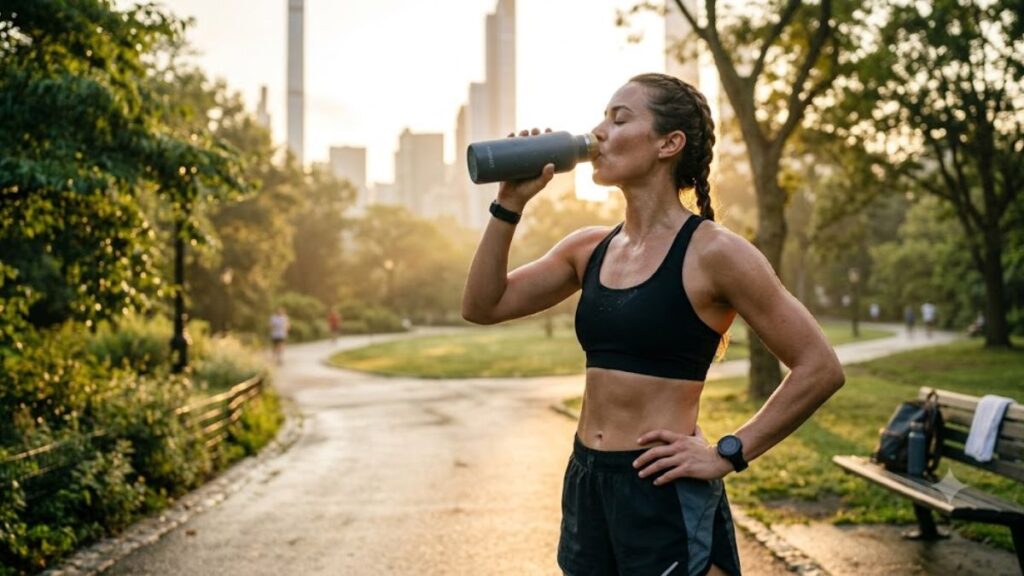
Physical activity naturally increases the amount of water your body loses through sweat and breathing. The harder or longer you exercise, the more important it becomes to replace those lost fluids. Staying hydrated before, during, and after exercise helps support physical performance, maintain endurance, and promote a smoother recovery.
Whether you enjoy walking, running, cycling, strength training, or playing sports, developing good hydration habits can help you exercise more comfortably and safely.
Before Exercise
Begin your workout well hydrated by drinking some water before you start exercising. Starting physical activity already dehydrated can make you feel tired sooner and may reduce your overall performance.
If you know you will be exercising for an extended period or in hot weather, pay extra attention to your water intake throughout the day rather than waiting until just before your workout.
During Exercise
As you exercise, your body continues to lose fluids through sweat. Taking regular sips of water during your workout helps replace those fluids and supports normal body function.
For shorter or low-intensity workouts, drinking water as needed is often sufficient. During longer sessions or activities performed in hot and humid conditions, drinking water at regular intervals becomes even more important.
Avoid waiting until you feel extremely thirsty, as thirst may indicate that your body is already beginning to lose more fluids than it has replaced.
After Exercise
Once your workout is complete, continue drinking water to replace the fluids lost through sweating. Rehydrating after exercise helps your body recover and prepares you for your next workout or daily activities.
Pay attention to how much you have sweated, especially after intense exercise or outdoor activities during warm weather. Drinking water gradually after your workout is generally more comfortable than consuming a large amount all at once.
Consider Electrolytes for Intense Workouts
For most everyday workouts, water is usually enough to maintain hydration. However, if you participate in prolonged, high-intensity exercise, endurance events, or activities that involve heavy sweating, electrolyte replacement may also be beneficial.
Electrolytes such as sodium and potassium help maintain the body’s fluid balance and support normal muscle and nerve function. Individual electrolyte needs vary depending on the type of activity, workout duration, weather conditions, and personal health.
If you regularly perform long-duration or strenuous exercise, consider discussing your hydration and electrolyte needs with a qualified healthcare professional or sports nutrition expert.
Listen to Your Body
Everyone’s hydration needs are different. Factors such as fitness level, exercise intensity, temperature, humidity, and individual sweat rates all influence how much water you need.
Watch for signs that your body may need more fluids, including:
- Feeling thirsty
- Dry mouth
- Unusual fatigue
- Dizziness
- Headache
- Dark-colored urine after exercise
By making hydration a regular part of your fitness routine, you can help support better performance, improve recovery, and keep your body functioning at its best during every workout.
Creating a Simple Daily Water Routine
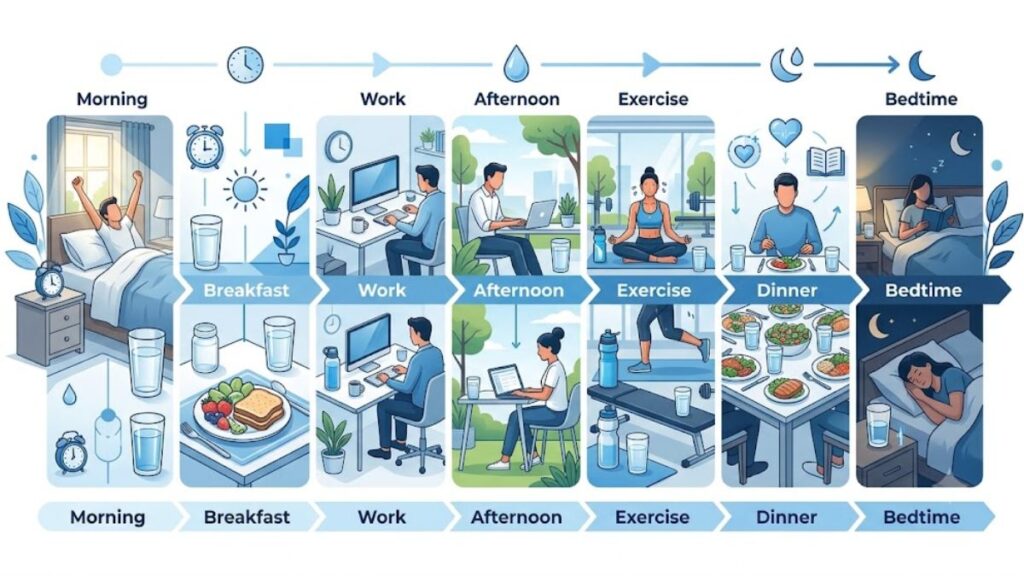
Building a hydration habit is much easier when drinking water becomes part of your daily schedule rather than something you try to remember randomly. By connecting water intake with activities you already do every day, staying hydrated becomes more natural and consistent.
The following routine is just an example. You can adjust it based on your work schedule, daily activities, climate, and personal needs.
Morning
Start your day by drinking a glass of water soon after waking up. Since your body goes several hours without fluids while you sleep, this is a simple way to begin rehydrating.
Many people find it helpful to keep a water bottle or glass beside their bed as a reminder.
Breakfast
Enjoy a glass of water with your breakfast. Drinking water alongside your morning meal supports your daily hydration goals and helps establish a healthy routine from the beginning of the day.
Work or Study Hours
During work or study sessions, keep a reusable water bottle within easy reach.
Try to:
- Keep your bottle on your desk
- Take small sips regularly
- Drink water during short breaks
- Refill your bottle whenever it becomes empty
Having water nearby makes it much easier to stay hydrated without interrupting your workflow.
Afternoon
Many people become busy during the afternoon and unintentionally reduce their water intake. Make it a habit to refill your bottle after lunch and continue sipping throughout the afternoon.
If you start feeling tired, try drinking a glass of water before reaching for another cup of coffee or a sugary snack. Sometimes mild dehydration can contribute to feelings of fatigue.
Evening
If you exercise, go for a walk, or participate in any physical activity, remember to replace the fluids your body loses through sweat.
Even if your evening is less active, continue drinking water with dinner and during your regular evening routine to maintain consistent hydration.
Before Bed
If you feel thirsty before going to bed, drink a small amount of water to stay comfortable through the night. However, avoid drinking excessive amounts immediately before sleeping, as this may increase the need to wake up during the night.
The goal is to stay comfortably hydrated while also supporting a good night’s sleep.
Make the Routine Work for You
The best hydration routine is one that fits naturally into your lifestyle. You don’t need to follow a strict schedule or count every sip. Instead, focus on creating simple habits that are easy to maintain every day.
Whether it’s drinking water after brushing your teeth, before meals, during work breaks, or after exercise, these small actions can gradually become automatic. Over time, staying hydrated becomes less of a task and more of a healthy daily habit that supports your overall well-being.
Conclusion
Drinking enough water every day does not have to be complicated. By making a few simple changes to your daily routine, you can build a healthy hydration habit that becomes second nature over time.
Small actions, such as starting your morning with a glass of water, carrying a reusable bottle, setting reminders, and drinking water during meals or work breaks, can make a significant difference in your overall fluid intake.
The key to staying hydrated is consistency rather than perfection. Instead of trying to drink a large amount of water all at once, aim to consume small amounts regularly throughout the day. This steady approach helps your body maintain proper hydration and makes the habit easier to stick with in the long run.
Proper hydration supports many important functions, including maintaining energy levels, aiding digestion, regulating body temperature, supporting physical performance, and helping your body function efficiently. It can also improve focus and make you feel more refreshed during your daily activities.
Remember that your water needs are unique and can vary depending on your age, activity level, climate, and overall health. Pay attention to your body’s signals, drink water consistently, and adjust your intake when needed, especially during exercise or hot weather.
A simple glass of water may seem like a small part of your day, but the habit of staying properly hydrated can have a lasting positive impact on your health and well-being. By making hydration a regular part of your lifestyle, you are taking an easy yet meaningful step toward supporting your body every single day.
Medical Disclaimer: This article is for informational and educational purposes only. It is not intended to replace professional medical advice, diagnosis, or treatment. Always consult a qualified healthcare provider for medical concerns or before making healthcare decisions.