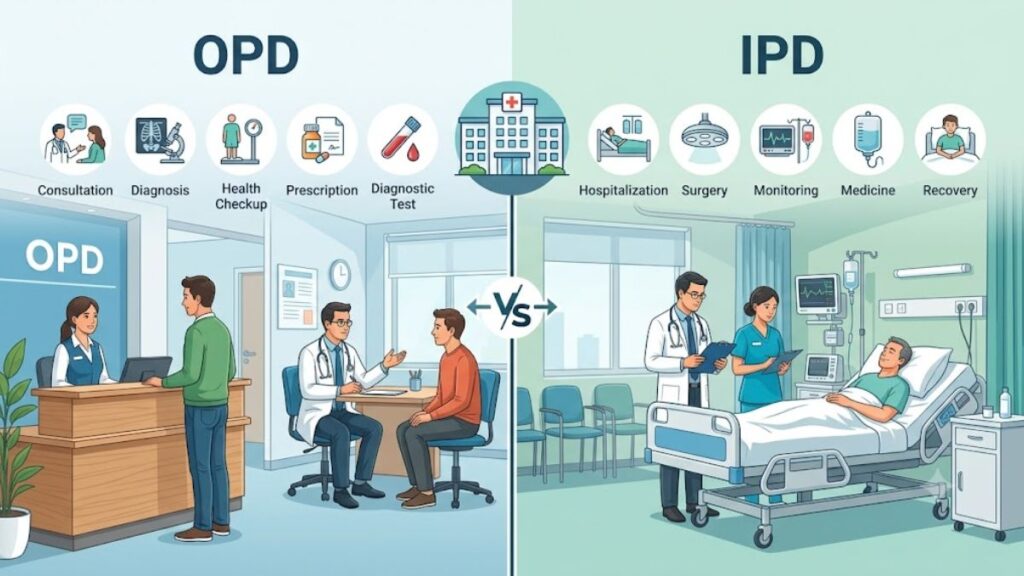
Hospitals are organized into different departments to provide the right type of medical care based on a patient’s condition, symptoms, and treatment needs. Two of the most commonly used departments are the OPD (Outpatient Department) and the IPD (Inpatient Department). Understanding the Difference Between OPD and IPD Department can help patients and their families make informed healthcare decisions and choose the right type of medical care.
While both departments provide healthcare services, they serve patients in different ways depending on the level of treatment required. Knowing the difference between OPD and IPD department helps patients understand whether they need a simple doctor’s consultation, diagnostic services, follow-up care, or hospital admission for advanced treatment.
The main difference is straightforward:
OPD (Outpatient Department) is for patients who visit the hospital for consultations, routine checkups, diagnostic tests, follow-up appointments, or minor treatments and return home the same day without being admitted.
IPD (Inpatient Department) is for patients whose medical condition requires hospital admission for continuous monitoring, surgery, specialized treatment, or recovery under the supervision of doctors and nursing staff.
Both departments are essential parts of a hospital and work together to provide comprehensive healthcare services. While the OPD focuses on diagnosing and treating patients who do not require hospitalization, the IPD is designed for individuals who need more intensive medical care, observation, or longer-term treatment.
Understanding the Difference Between OPD and IPD Department also helps patients prepare for hospital visits, estimate treatment costs, understand billing procedures, and make better use of health insurance benefits. Knowing how each department functions allows you to choose the type of care that best matches your healthcare needs.
Learn more about healthcare systems from the National Institutes of Health (NIH).
What Is an OPD Department?
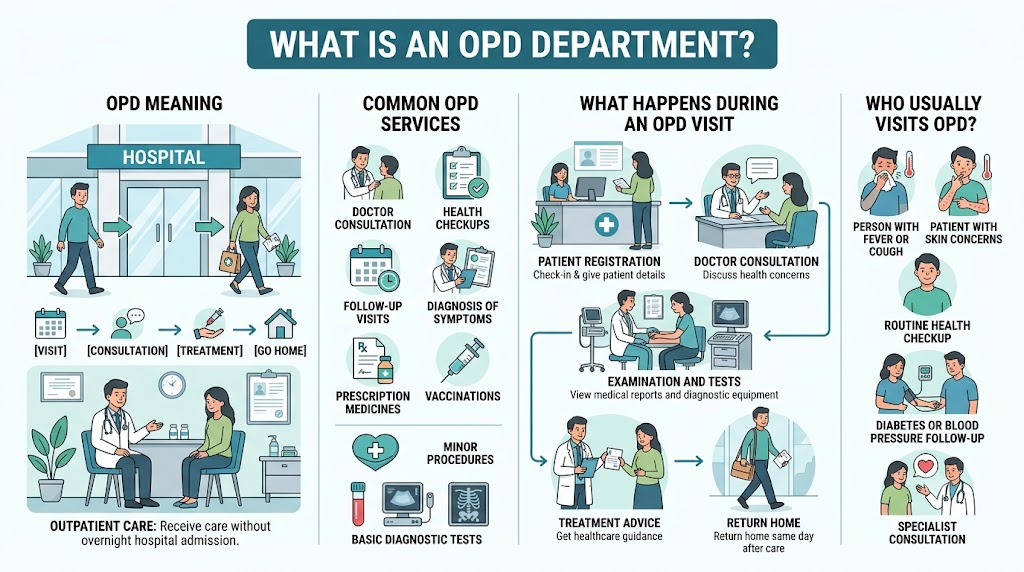
OPD stands for Outpatient Department.
The Outpatient Department (OPD) is the part of a hospital where patients receive medical care without being admitted for an overnight stay. It is usually the first point of contact for people seeking healthcare, whether they have a new health concern, need a routine checkup, or require follow-up care after previous treatment.
In an OPD, patients visit a doctor for consultation, diagnosis, medical advice, or minor treatments and typically return home the same day. Most visits are completed within a few hours, depending on the type of consultation, diagnostic tests, or procedures required.
OPD services are commonly used for:
- Routine doctor consultations
- Annual or preventive health checkups
- Follow-up appointments
- Medical advice and health counseling
- Diagnosis of symptoms
- Prescription of medications
- Vaccinations and immunizations
- Minor medical procedures
- Basic diagnostic tests
- Preventive healthcare services
During an OPD visit, the doctor reviews your medical history, discusses your symptoms, performs a physical examination if necessary, and may recommend laboratory tests, imaging studies, or other diagnostic procedures.
Based on the findings, the doctor can prescribe medications, suggest lifestyle changes, recommend further investigations, or refer you to a specialist if additional care is needed.
For example, if someone has a fever, cough, skin rash, mild joint pain, stomach discomfort, allergies, high blood pressure, diabetes follow-up, or simply wants a routine health consultation, they would typically visit the OPD.
Patients recovering from surgery or managing long-term conditions may also attend regular OPD appointments to monitor their progress without needing hospital admission.
The OPD plays an important role in preventive healthcare and early diagnosis, helping patients receive timely medical attention while avoiding unnecessary hospitalization whenever possible.
Common Services Available in OPD
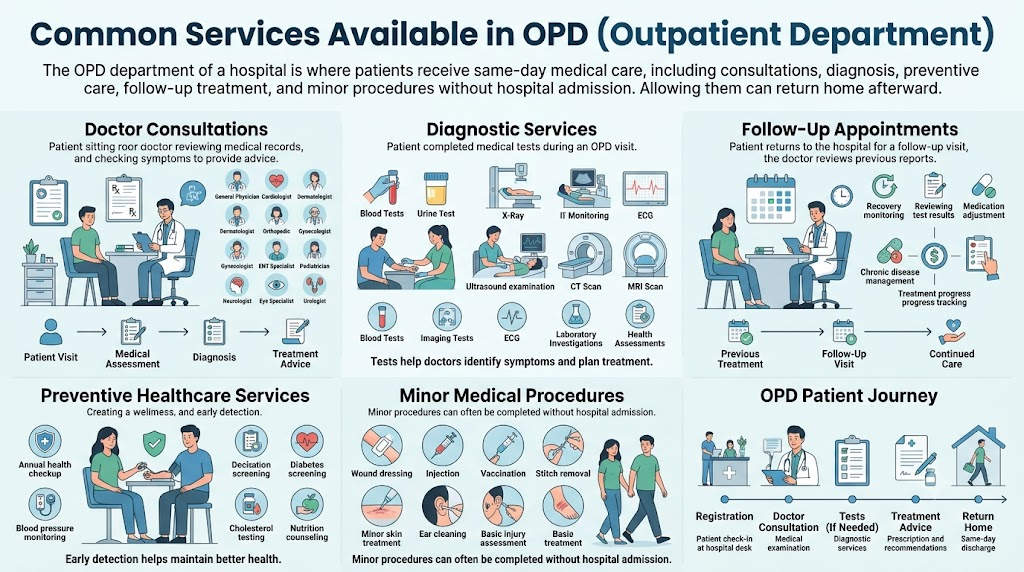
The Outpatient Department (OPD) offers a wide range of healthcare services for patients who do not require hospital admission. The exact services available may vary depending on the hospital, but most OPDs provide consultations, diagnostic testing, preventive care, follow-up treatment, and minor medical procedures. These services allow patients to receive timely medical attention while returning home the same day.
Doctor Consultations
One of the primary functions of the OPD is providing access to medical specialists for the evaluation and treatment of various health concerns.
Depending on your symptoms or healthcare needs, you may consult specialists such as:
- General physicians
- Cardiologists
- Dermatologists
- Orthopedic doctors
- Gynecologists
- Ear, Nose, and Throat (ENT) specialists
- Pediatricians
- Neurologists
- Ophthalmologists (eye specialists)
- Urologists
During the consultation, the doctor typically:
- Reviews your medical history
- Discusses your current symptoms
- Performs a physical examination if needed
- Recommends diagnostic tests when appropriate
- Prescribes medications
- Provides treatment recommendations
- Refers you to another specialist if necessary
Many health concerns can be diagnosed and managed entirely through OPD consultations without requiring hospitalization.
Diagnostic Services
Most hospitals offer diagnostic services through the OPD to help doctors identify the cause of symptoms and develop an appropriate treatment plan.
Common diagnostic tests include:
- Blood tests
- Urine tests
- X-rays
- Ultrasound scans
- Electrocardiogram (ECG)
- CT scans (if required)
- MRI scans (if required)
- Other laboratory investigations
These tests help healthcare providers evaluate your condition, confirm a diagnosis, monitor existing diseases, or assess your overall health. In many cases, patients can complete these tests during the same visit or schedule them for a later date if necessary.
Follow-Up Appointments
Patients who have already received medical treatment often return to the OPD for follow-up care. Regular follow-up visits help doctors monitor recovery, evaluate how well a treatment plan is working, and make adjustments if needed.
Common reasons for follow-up appointments include:
- Checking recovery after illness or surgery
- Reviewing laboratory or imaging test results
- Adjusting medications
- Monitoring chronic conditions such as diabetes or high blood pressure
- Assessing progress after therapy or rehabilitation
- Answering patient questions about ongoing treatment
These visits help ensure that patients continue to recover safely and receive appropriate long-term care.
Preventive Healthcare Services
Many OPDs also focus on preventive healthcare by helping patients identify health risks before serious problems develop.
Preventive services may include:
- Annual health checkups
- Vaccinations and immunizations
- Health screenings
- Blood pressure monitoring
- Diabetes screening
- Cholesterol testing
- Lifestyle and nutrition counseling
Early detection and preventive care can help reduce the risk of developing more serious health conditions in the future.
Minor Procedures
Several minor medical procedures can be safely performed in the OPD without requiring hospital admission.
Examples include:
- Wound cleaning and dressing
- Injections
- Vaccinations
- Removal of stitches
- Minor skin procedures
- Ear cleaning
- Abscess drainage (when appropriate)
- Basic fracture or sprain assessment
- Other simple treatments
These procedures are usually completed within a short period, allowing patients to return home the same day with instructions for recovery or follow-up care if needed.
What Is an IPD Department?
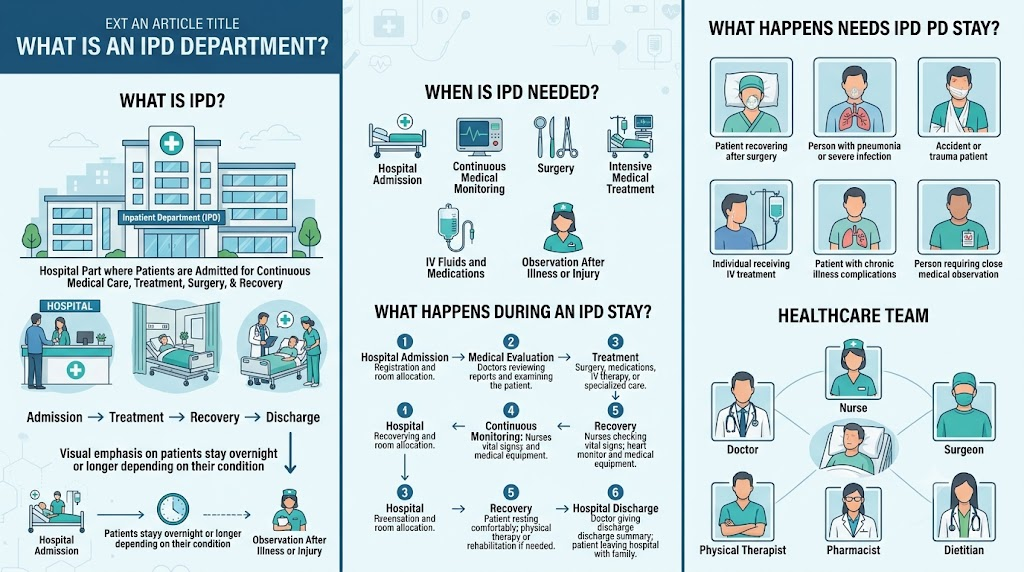
IPD stands for Inpatient Department.
The Inpatient Department (IPD) is the part of a hospital where patients are admitted for medical care that requires continuous observation, specialized treatment, surgery, or recovery.
Unlike an OPD visit, where patients return home after their appointment, IPD patients stay in the hospital for one or more days depending on their medical condition and treatment plan.
The IPD is designed for patients who need a higher level of medical attention than can be provided during a routine outpatient visit. While admitted, patients receive ongoing care from a team of healthcare professionals, including doctors, nurses, specialists, therapists, and other medical staff who monitor their condition around the clock.
A patient may be admitted to the IPD when their condition requires:
- Hospital admission
- Continuous medical monitoring
- Surgery or other major medical procedures
- Intensive medical treatment
- Intravenous (IV) medications or fluids
- Recovery and rehabilitation after treatment
- Observation following an illness or injury
After admission, patients are usually assigned a hospital room or bed based on their medical needs. Throughout their stay, healthcare providers regularly monitor vital signs, administer medications, perform necessary tests, and evaluate recovery progress. Depending on the condition, patients may also receive physical therapy, nutritional support, pain management, or specialized nursing care.
For example, a person undergoing major surgery, recovering from a serious accident, receiving treatment for pneumonia, managing complications from a chronic illness, or requiring close observation after an emergency may need admission to the IPD. Patients who cannot be safely treated or monitored at home are often cared for in the Inpatient Department until their condition improves.
The IPD plays a vital role in providing comprehensive hospital care for patients with serious or complex medical conditions. By offering continuous supervision, advanced treatments, and coordinated care from multiple healthcare professionals, the department helps support safe recovery and improve patient outcomes.
Common Services Available in IPD
The Inpatient Department (IPD) provides comprehensive medical care for patients who require hospital admission, continuous monitoring, or specialized treatment. Unlike the OPD, where patients return home after receiving care, IPD services are designed for individuals who need close supervision and treatment over an extended period.
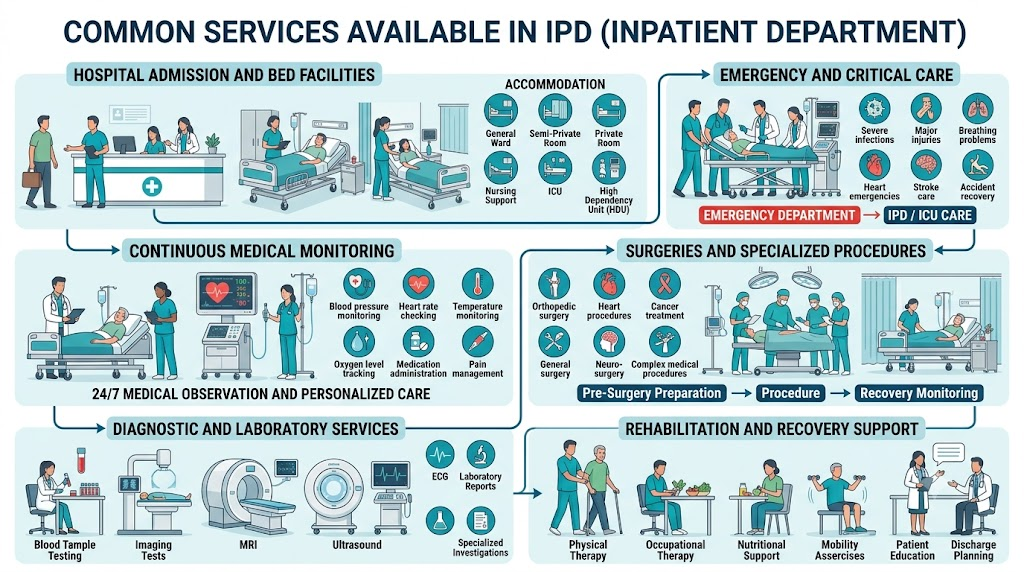
The exact services available may vary depending on the hospital, but most IPDs offer the following healthcare services.
Hospital Admission and Bed Facilities
One of the primary functions of the IPD is providing safe and comfortable accommodation for patients during their treatment and recovery.
After admission, patients are assigned a hospital room or bed based on their medical condition, treatment needs, insurance coverage, and room availability.
Depending on the hospital, accommodation options may include:
- General wards
- Semi-private rooms
- Private rooms
- Deluxe or premium rooms
- Intensive Care Units (ICU)
- High Dependency Units (HDU), where available
During their stay, patients receive meals, nursing support, housekeeping services, and access to medical equipment necessary for their care.
Continuous Medical Monitoring
Unlike outpatient care, IPD patients receive ongoing medical supervision throughout their hospital stay.
Doctors, nurses, and other healthcare professionals regularly monitor the patient’s condition to ensure treatment is working as expected and to respond quickly if complications arise.
Continuous monitoring may include:
- Regular checking of vital signs, such as blood pressure, heart rate, temperature, and oxygen levels
- Administration of medications and intravenous (IV) fluids
- Pain management
- Monitoring treatment response
- Nursing care throughout the day and night
- Blood sugar monitoring, when required
- Oxygen therapy or other supportive care
- Regular medical assessments by doctors
This close observation allows healthcare providers to make timely adjustments to treatment plans and support a safe recovery.
Surgeries and Specialized Medical Procedures
Many major surgeries and advanced medical procedures require admission to the IPD before and after treatment.
Examples include:
- Orthopedic surgeries
- Heart procedures
- General surgeries
- Cancer treatments
- Neurosurgical procedures
- Organ-related surgeries
- Complex medical procedures
Patients are usually admitted before surgery for pre-operative evaluation and preparation. After the procedure, they remain in the IPD so healthcare providers can monitor recovery, manage pain, prevent complications, and ensure they are stable before discharge.
Emergency and Critical Care
Patients with serious or life-threatening conditions often require IPD admission for immediate treatment and continuous observation.
Examples include:
- Severe infections
- Major injuries
- Breathing difficulties
- Heart-related emergencies
- Stroke
- Serious accidents
- Conditions requiring close medical observation
Some patients may initially receive treatment in the emergency department before being transferred to the IPD or Intensive Care Unit (ICU), depending on the severity of their condition.
Diagnostic and Laboratory Services
Patients admitted to the IPD often undergo additional diagnostic tests to monitor their condition and guide treatment decisions.
These may include:
- Blood tests
- Urine tests
- X-rays
- CT scans
- MRI scans
- Ultrasound examinations
- Electrocardiograms (ECG)
- Other specialized investigations
Doctors use these test results to evaluate treatment progress, identify complications, and make informed decisions about ongoing care.
Rehabilitation and Recovery Support
Many hospitals provide rehabilitation services as part of inpatient care to help patients recover safely before returning home.
Depending on the patient’s condition, recovery support may include:
- Physical therapy
- Occupational therapy
- Nutritional counseling
- Respiratory therapy
- Mobility assistance
- Discharge planning and patient education
These services help patients regain strength, improve independence, and prepare for continued recovery after leaving the hospital.
The IPD is designed to provide comprehensive medical care for patients who require hospitalization. From continuous monitoring and specialized treatments to surgery, rehabilitation, and recovery support, the department plays a vital role in helping patients receive the level of care they need until they are ready for discharge.
Difference Between OPD and IPD Department
Although both the Outpatient Department (OPD) and Inpatient Department (IPD) provide medical care, they serve different purposes based on the patient’s condition and the level of treatment required. Understanding these differences can help you know what to expect during a hospital visit and make healthcare decisions with greater confidence.
The biggest difference is that OPD care allows patients to receive treatment without being admitted to the hospital, while IPD care involves hospital admission for continuous treatment, monitoring, or recovery.
| Feature | OPD (Outpatient Department) | IPD (Inpatient Department) |
|---|---|---|
| Full Form | Outpatient Department | Inpatient Department |
| Hospital Admission | Not required | Required |
| Patient Stay | Patients return home the same day after consultation or treatment. | Patients stay in the hospital for one or more days, depending on their condition. |
| Main Purpose | Consultation, diagnosis, preventive care, follow-up visits, and minor treatments. | Treatment of serious illnesses, surgeries, recovery, and continuous medical care. |
| Hospital Bed Required | Usually not required. | A hospital bed or room is assigned for the duration of treatment. |
| Medical Monitoring | Limited to the consultation or procedure. | Continuous monitoring by doctors, nurses, and other healthcare professionals. |
| Types of Services | Doctor consultations, health checkups, diagnostic tests, vaccinations, prescription refills, and minor procedures. | Major surgeries, emergency treatment, intensive care, post-operative recovery, long-term treatment, and specialized medical care. |
| Length of Treatment | Usually completed within a few hours. | May last from one day to several weeks, depending on the patient’s condition. |
| Medical Team Involvement | Patients usually meet a doctor and may interact with diagnostic staff if tests are required. | Patients receive coordinated care from doctors, nurses, specialists, therapists, and support staff throughout their stay. |
| Cost | Generally lower because there are no hospitalization charges. | Usually higher due to room charges, nursing care, monitoring, medications, procedures, and other hospital services. |
| Examples | Routine health checkups, fever consultation, skin problems, blood tests, X-rays, follow-up appointments, vaccinations. | Heart surgery, fracture treatment requiring surgery, childbirth, pneumonia requiring hospitalization, intensive care, cancer treatment, or recovery after major operations. |
OPD vs IPD at a Glance
- OPD: Best for routine consultations, diagnosis, preventive care, follow-up visits, and minor treatments without hospital admission.
- IPD: Required for serious medical conditions, surgeries, emergency care, continuous monitoring, and recovery that requires staying in the hospital.
Understanding the difference between OPD and IPD can also help patients better understand hospital procedures, estimate treatment costs, and determine how their health insurance benefits may apply.
Many health insurance plans treat OPD and IPD services differently, so knowing which department your treatment falls under can help you prepare for coverage, billing, and any out-of-pocket expenses.
The distinction between outpatient and inpatient care is widely recognized in healthcare systems. See the explanation from Medicare.
OPD vs IPD: Which One Do You Need?
The type of hospital care you need depends on your medical condition, the severity of your symptoms, and the treatment recommended by your doctor. Some health problems can be diagnosed and treated during a short hospital visit, while others require admission for continuous medical care and monitoring.
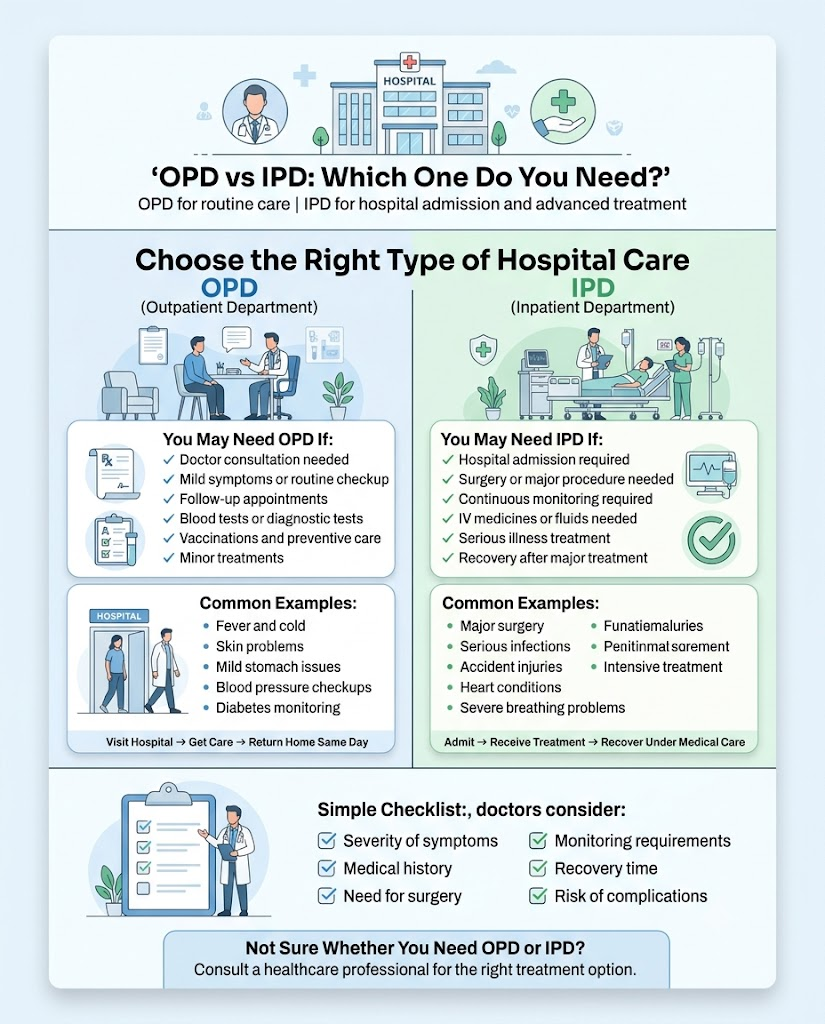
In general, OPD is suitable for routine consultations and minor medical issues, while IPD is necessary for patients who need hospital admission, surgery, or intensive treatment.
You May Need OPD If
An Outpatient Department (OPD) visit is usually appropriate when your condition does not require hospitalization and you can return home after receiving medical care.
You may need OPD services if you:
- Need a doctor’s consultation
- Have mild or non-emergency symptoms
- Require routine health checkups
- Need prescription advice or medication refills
- Require follow-up appointments after previous treatment
- Need diagnostic tests such as blood tests, X-rays, or ultrasound
- Want preventive health screenings or vaccinations
Common examples include:
- Seasonal cold or fever
- Mild stomach problems
- Skin conditions or allergies
- Minor joint or muscle pain
- Routine diabetes or blood pressure checkups
- Follow-up visits after treatment or surgery
Most OPD visits are completed within a few hours, allowing patients to receive medical advice and continue recovering at home.
You May Need IPD If
An Inpatient Department (IPD) admission is necessary when your condition requires close medical supervision, advanced treatment, or recovery under hospital care.
You may need IPD services if you:
- Require hospital admission
- Need surgery or a major medical procedure
- Require continuous observation by doctors and nurses
- Need intravenous (IV) medications or fluids
- Require intensive medical treatment
- Need recovery support after surgery or serious illness
- Have a condition that cannot be safely managed at home
Common examples include:
- Major injuries from accidents
- Serious infections requiring hospitalization
- Heart-related conditions
- Pneumonia or severe breathing problems
- Orthopedic or abdominal surgeries
- Cancer treatments requiring hospital admission
- Conditions requiring intensive care or close monitoring
IPD patients may stay in the hospital for one or more days depending on their diagnosis, treatment plan, and recovery progress.
How Doctors Decide Between OPD and IPD
Doctors evaluate several factors before deciding whether outpatient care is enough or if hospital admission is necessary. These factors include:
- The severity of your symptoms
- Your overall health and medical history
- Whether surgery or specialized treatment is required
- The need for continuous monitoring or nursing care
- The expected recovery time
- The risk of complications if treated at home
For example, a patient with a mild fever may only need an OPD consultation and medication, while someone with appendicitis will likely require IPD admission for surgery and post-operative care.
Quick Tip
If you are unsure whether your condition requires OPD or IPD care, contact your healthcare provider or visit the hospital. Medical professionals can assess your condition and recommend the most appropriate level of treatment to ensure you receive safe and effective care.
How Does OPD and IPD Billing Work?
Hospital billing works differently for OPD (Outpatient Department) and IPD (Inpatient Department) because the type of medical care provided is different. While OPD visits usually involve consultations or minor treatments completed on the same day, IPD care includes hospital admission, ongoing medical supervision, and additional healthcare services that can increase the overall cost.
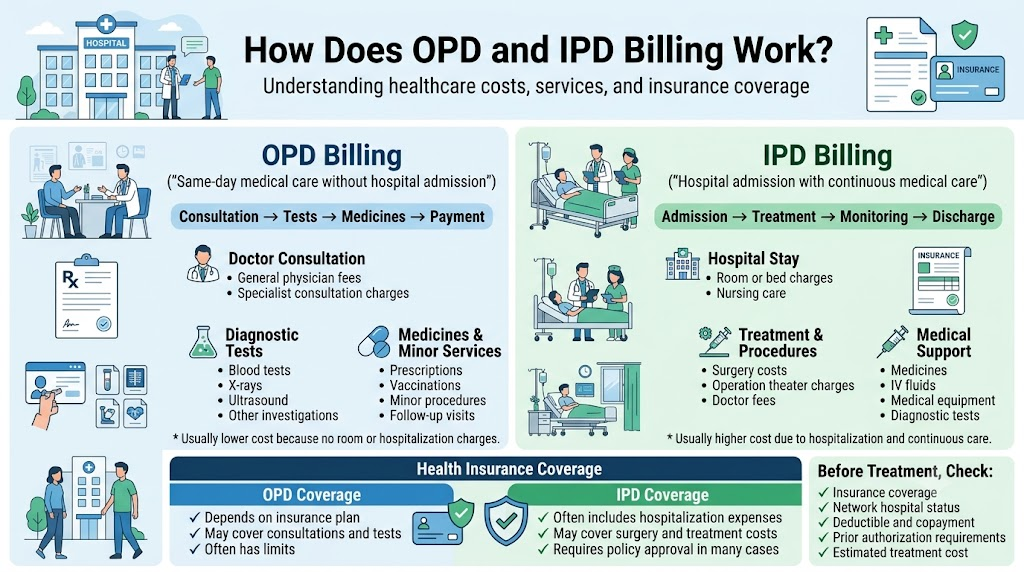
Understanding how OPD and IPD billing works can help you estimate healthcare expenses, review your insurance coverage, and avoid unexpected medical bills.
OPD Billing
OPD billing is generally simpler because patients are not admitted to the hospital. Charges are based on the services received during the visit and are usually paid before leaving the hospital or clinic.
Common OPD expenses include:
- Doctor consultation fees
- Specialist consultation charges
- Diagnostic tests, such as blood tests or X-rays
- Imaging services, including ultrasound, CT scans, or MRI (if required)
- Prescription medications purchased from the hospital pharmacy
- Vaccinations
- Minor medical procedures
- Follow-up consultation fees
In many cases, patients pay these expenses at the time of service. However, depending on the country, insurance provider, and specific health plan, some or all OPD services may be covered. Certain insurance plans offer outpatient benefits, while others may only provide limited or no OPD coverage.
Before your appointment, it is helpful to confirm:
- Whether your insurance covers OPD services
- Which consultations or tests are included
- Whether the hospital is part of your insurance network
- If prior authorization is required for certain diagnostic tests or procedures
IPD Billing
IPD billing is usually more detailed because patients receive multiple healthcare services during their hospital stay. Instead of paying only for a consultation, patients are billed for hospitalization, treatment, medical care, and supporting services provided throughout their admission.
An IPD bill may include:
- Hospital room or bed charges
- Doctor and specialist consultation fees
- Nursing care charges
- Surgery or procedure costs
- Operation theater charges (if applicable)
- Medicines and medical supplies
- Diagnostic tests and laboratory services
- Imaging services
- Intravenous (IV) medications and fluids
- Medical equipment charges
- Rehabilitation or therapy services, when required
Since inpatient treatment often involves several departments, the final bill is usually a combination of all services received during the hospital stay.
How Health Insurance Affects Billing
Many health insurance plans treat OPD and IPD expenses differently.
For OPD services, insurance coverage may be limited or depend on the specific policy. Some plans cover doctor consultations, preventive care, or diagnostic tests, while others require patients to pay these costs themselves.
For IPD services, many health insurance policies provide broader coverage because hospitalization is generally more expensive. However, coverage depends on the terms of your insurance plan.
Before a planned hospital admission, it is important to understand:
- What services your insurance covers
- Your deductible
- Copayment or coinsurance requirements
- Whether the hospital is in your insurance network
- Whether prior authorization is required
- Any exclusions or coverage limits that may apply
Reviewing these details in advance can help you better estimate your out-of-pocket costs and avoid unexpected billing issues.
Tips to Manage Hospital Bills
Whether you are receiving OPD or IPD care, a few simple steps can make the billing process easier:
- Verify your insurance coverage before treatment.
- Choose an in-network hospital whenever possible.
- Ask for an estimate of treatment costs before planned procedures.
- Keep copies of all bills, receipts, and insurance documents.
- Review your hospital bill carefully and compare it with your insurance Explanation of Benefits (EOB).
- Contact your hospital’s billing department or insurance company if you notice any unexpected charges or need clarification.
Understanding how OPD and IPD billing works allows you to plan for medical expenses more effectively and make informed decisions about your healthcare and insurance benefits.
The distinction between outpatient and inpatient care is widely recognized in healthcare systems. See the explanation from Medicare.
OPD and IPD in Health Insurance
Health insurance plans often cover OPD (Outpatient Department) and IPD (Inpatient Department) services differently. Understanding how your policy handles each type of care can help you avoid unexpected medical expenses and make better healthcare decisions.
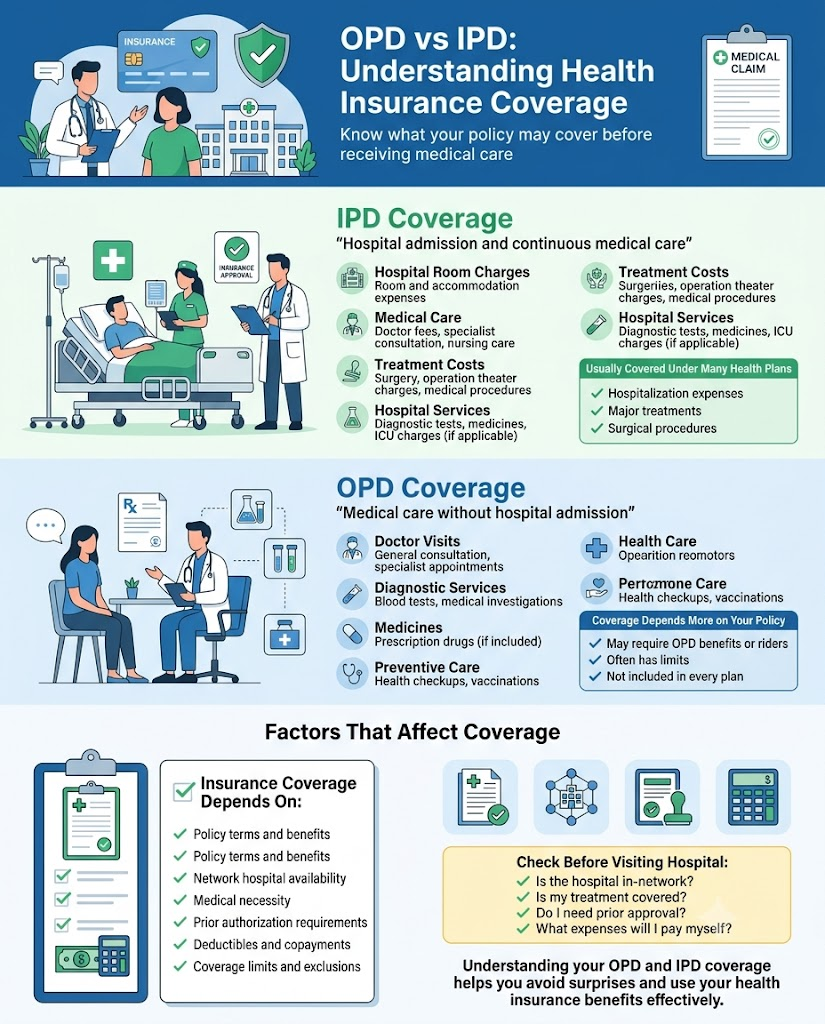
The level of coverage depends on your insurance provider, policy type, network hospital agreements, deductibles, copayments, and other plan benefits. Before receiving treatment, it is always a good idea to review your policy or contact your insurance company to understand what is covered.
IPD Coverage
Most health insurance plans provide coverage for IPD expenses because inpatient care typically involves hospitalization and higher medical costs.
If your treatment meets the terms and conditions of your policy, coverage may include:
- Hospital room or accommodation charges
- Doctor and specialist consultation fees
- Surgery and operation theater expenses
- Nursing care charges
- Diagnostic tests and laboratory services
- Medicines and medical supplies used during hospitalization
- Intensive Care Unit (ICU) charges, if required
- Other eligible medical procedures covered under the policy
Depending on your insurance plan, you may still be responsible for certain costs, such as deductibles, copayments, coinsurance, or services that are not covered by your policy.
Many insurance companies also offer cashless hospitalization at network hospitals, where eligible medical expenses are billed directly to the insurer, reducing the amount patients need to pay upfront.
OPD Coverage
Coverage for OPD services varies more widely between insurance plans.
Some health insurance policies include outpatient benefits, while others provide little or no OPD coverage unless additional coverage has been purchased.
If OPD benefits are included, they may cover services such as:
- Doctor consultations
- Specialist visits
- Diagnostic tests
- Laboratory investigations
- Prescription medicines
- Preventive health checkups
- Vaccinations or wellness services, depending on the policy
Some insurers also offer optional OPD riders or wellness plans that provide additional outpatient benefits beyond standard hospitalization coverage.
Factors That Affect Insurance Coverage
Whether a particular OPD or IPD service is covered depends on several factors, including:
- Your health insurance policy terms
- Whether the hospital is part of your insurer’s network
- Medical necessity of the treatment
- Prior authorization requirements
- Deductibles, copayments, or coinsurance
- Annual coverage limits and exclusions
For planned treatments or surgeries, confirming these details in advance can help prevent claim delays and unexpected out-of-pocket expenses.
Tips Before Using Your Health Insurance
Before visiting a hospital, it is helpful to:
- Review your health insurance policy benefits.
- Confirm whether the hospital and doctor are in your insurance network.
- Check if prior authorization is required for your treatment.
- Understand your deductible, copayment, and coinsurance responsibilities.
- Ask your insurance provider which OPD and IPD services are covered under your plan.
Understanding the difference between OPD and IPD insurance coverage allows you to prepare financially, make informed healthcare decisions, and use your insurance benefits more effectively. Because every health insurance policy is different, always verify your coverage with your insurer before assuming a particular service will be paid for.
Coverage varies by insurer and policy, and hospital status can influence benefits. Medicare explains inpatient and outpatient status.
Why Understanding OPD and IPD Is Important
Understanding the difference between OPD (Outpatient Department) and IPD (Inpatient Department) can help patients and their families make informed healthcare decisions. Knowing which department is appropriate for your medical condition allows you to prepare for your hospital visit, understand the treatment process, estimate medical costs, and make better use of your health insurance benefits.
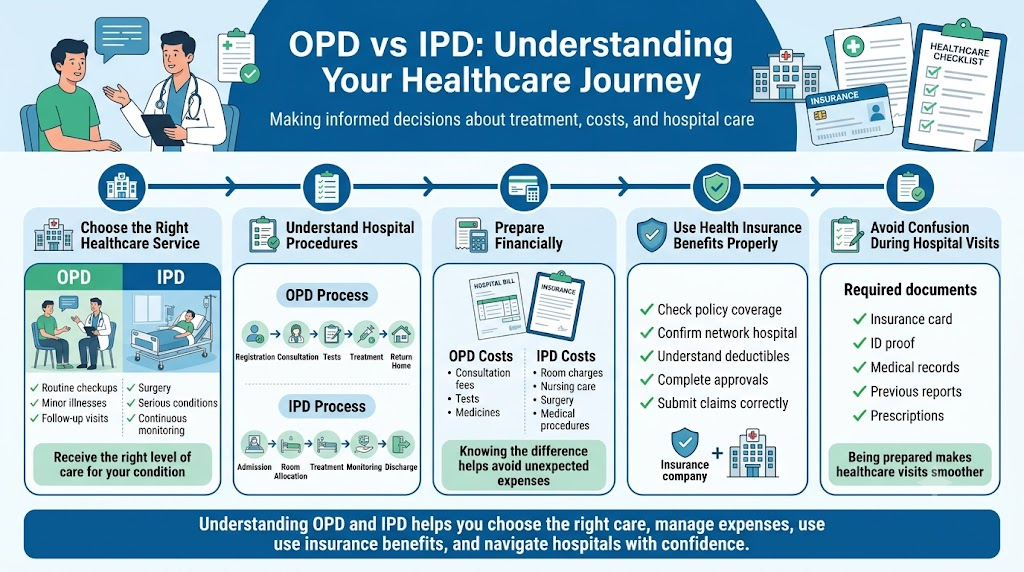
Whether you are visiting a hospital for a routine consultation or require admission for specialized treatment, understanding how OPD and IPD services work can reduce uncertainty and make your healthcare experience more organized.
Choose the Right Healthcare Service
Knowing the difference between OPD and IPD helps you determine the type of medical care you need.
For example:
- Minor illnesses, routine checkups, and follow-up visits are usually managed through the OPD.
- Serious medical conditions, surgeries, or treatments requiring continuous monitoring typically require admission to the IPD.
Choosing the appropriate department can save time and ensure you receive the level of care your condition requires.
Understand Hospital Procedures
OPD and IPD follow different hospital processes.
An OPD visit generally involves:
- Patient registration
- Doctor consultation
- Diagnostic tests, if required
- Prescription or treatment
- Returning home the same day
An IPD admission usually includes:
- Hospital admission
- Room or bed allocation
- Ongoing treatment and nursing care
- Regular monitoring
- Discharge after recovery
Understanding these procedures helps patients know what to expect before arriving at the hospital.
Prepare Financially
Medical costs can vary significantly between outpatient and inpatient care.
OPD services generally involve consultation fees, diagnostic tests, and medications, while IPD treatment may include additional expenses such as:
- Hospital room charges
- Nursing care
- Surgery costs
- Medical procedures
- Medicines and medical equipment
- Laboratory and imaging services
Having a clear understanding of these differences allows patients to plan for possible healthcare expenses and avoid unexpected costs.
Use Health Insurance Benefits Properly
Many health insurance policies provide different levels of coverage for OPD and IPD services.
Understanding whether your treatment is considered outpatient or inpatient care can help you:
- Verify your insurance coverage
- Understand deductibles and copayments
- Choose network hospitals
- Complete any required prior authorization
- Submit claims correctly
This can make the insurance process smoother and reduce the chances of claim delays or unexpected out-of-pocket expenses.
Avoid Confusion During Hospital Visits
Knowing whether your treatment falls under OPD or IPD helps you understand the registration process, expected waiting time, admission requirements, and discharge procedures.
It also allows you to prepare the necessary documents, such as:
- Health insurance card
- Government-issued identification
- Medical records
- Doctor’s referral, if required
- Previous test reports and prescriptions
Being prepared can help make your hospital visit more efficient and less stressful.
Better Planning for Planned Treatments
For scheduled consultations, diagnostic tests, or surgeries, understanding whether you need an OPD consultation or IPD admission allows you to prepare in advance.
You can:
- Schedule appointments more effectively.
- Arrange time away from work or daily responsibilities.
- Prepare financially for medical expenses.
- Confirm insurance approvals before treatment.
- Gather all necessary documents before visiting the hospital.
By understanding the differences between OPD and IPD, patients can navigate the healthcare system with greater confidence, make informed decisions about their treatment, and enjoy a smoother experience from consultation to recovery.
Conclusion
OPD and IPD are two essential departments in a hospital, each designed to meet different healthcare needs. While both aim to provide quality medical care, the type of treatment you receive depends on the severity of your condition and whether hospitalization is required.
The OPD (Outpatient Department) is intended for patients who need medical consultations, routine checkups, diagnostic tests, follow-up visits, preventive care, or minor treatments without being admitted to the hospital. Most OPD visits are completed within a few hours, allowing patients to return home the same day.
The IPD (Inpatient Department), on the other hand, is for patients who require hospital admission for surgery, continuous monitoring, specialized treatment, emergency care, or recovery from serious illnesses and medical procedures. IPD patients receive around-the-clock care from doctors, nurses, and other healthcare professionals until they are ready for discharge.
Understanding the difference between OPD and IPD can help you make informed healthcare decisions, know what to expect during a hospital visit, estimate treatment costs, and better understand your health insurance coverage.
Whether you need a simple consultation or advanced medical care, knowing which department is appropriate can make the healthcare process smoother, reduce confusion, and help you receive the right treatment at the right time.
Additional Resources
Medical Disclaimer: This article is for informational and educational purposes only. It is not intended to replace professional medical advice, diagnosis, or treatment. Always consult a qualified healthcare provider for medical concerns or before making healthcare decisions.